

Storing a new baler properly when it's not in use is crucial to maintain its functionality, extend its lifespan, and ensure it's ready for operation when needed. As a reputable new baler supplier, we understand the importance of this process and are here to share some essential tips on how to store your baler effectively.
1. Preparation Before Storage
Before you store your baler, it's essential to perform a thorough cleaning. Remove any debris, dust, and leftover materials from the baler. This includes clearing the hopper, the compression chamber, and the conveyor belts. Residual materials can attract moisture and pests, leading to corrosion and damage. You can use a brush and compressed air to clean hard - to - reach areas.
Next, conduct a detailed inspection of the baler. Check for any signs of wear and tear, loose parts, or leaking fluids. Identify components such as belts, chains, hydraulic hoses, and electrical connections. Tighten any loose bolts, nuts, or screws. If you find any defective parts, replace them before storing the baler. This preventive measure can save you time and money on repairs when you decide to use the baler again.
Drain all fluids from the baler, including hydraulic oil, engine oil, and coolant. Old fluids can contain contaminants that may cause damage during storage. Follow the manufacturer's guidelines for proper disposal. Some fluids may be recyclable, and improper disposal can lead to environmental issues.
2. Choosing the Right Storage Location
The storage location plays a significant role in preserving the baler. Ideally, the baler should be stored indoors in a dry, clean, and well - ventilated area. A warehouse or a shed can be suitable options. Indoor storage protects the baler from the harsh elements such as rain, snow, and extreme temperatures.
If indoor storage is not available, you must take extra precautions for outdoor storage. The baler should be covered with a high - quality, waterproof, and UV - resistant cover. Elevate the baler off the ground using blocks or a raised platform to prevent moisture from seeping into the metal parts. Ensure the storage area is well - drained to avoid water pooling around the baler.
3. Protection Against Corrosion
Corrosion is a major concern when it comes to storing heavy machinery like balers. To prevent rust, apply a thin layer of anti - corrosion coating to all exposed metal surfaces. This includes the frame, the compression chamber, and any other metal components. Pay special attention to areas that are prone to rust, such as joints and areas with scratches or dents.
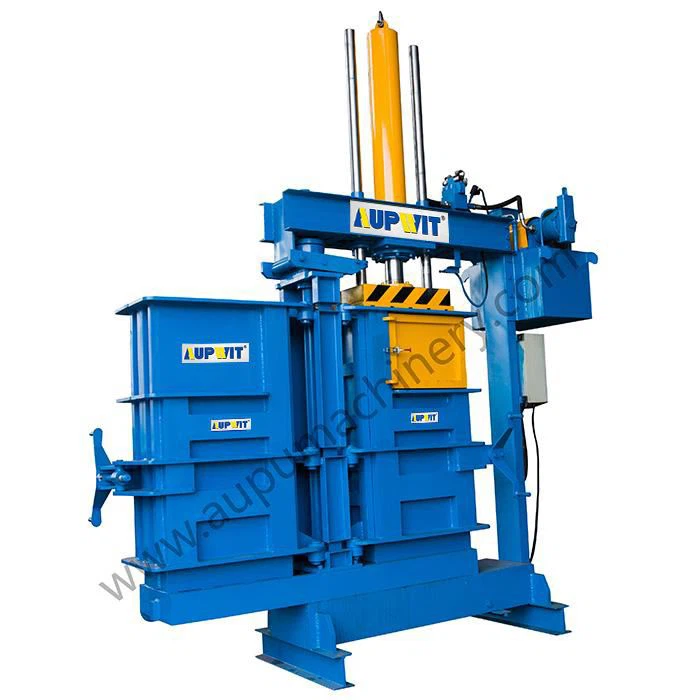

You can also use rust - inhibiting paper or desiccants inside the baler. Place desiccant packs in enclosed compartments to absorb moisture and keep the air dry. This helps create an environment that is less conducive to corrosion.
4. Securing Loose Parts
During storage, it's important to secure any loose parts to prevent them from getting lost or damaged. Remove any removable accessories such as blades, knives, or small tools and store them in a separate, labeled container. This makes it easier to locate and reinstall these parts when you need to use the baler again.
If there are any adjustable components, such as tensioning mechanisms or settings, set them to their neutral or default positions. This reduces the stress on these parts during storage and helps maintain their accuracy.
5. Battery Maintenance (if applicable)
For balers with a battery - powered system, proper battery maintenance is crucial. Remove the battery from the baler and store it in a separate, dry location. Charge the battery to its full capacity before storage and then disconnect it from the charger. Periodically check the battery's charge level during storage and recharge it as necessary. A fully charged battery is less likely to freeze in cold temperatures and will have a longer lifespan.
6. Documentation and Maintenance Records
Keep all documentation related to the baler, including the user manual, maintenance records, and warranty information, in a safe place. This documentation can be invaluable when it comes to servicing the baler, troubleshooting issues, or claiming warranty. Make copies of important documents and store them in different locations in case one set is lost or damaged.
Regularly update the maintenance records to include details of the pre - storage inspection, cleaning, and any repairs or replacements made. This provides a clear history of the baler's condition and can be beneficial for future reference.
7. Regular Checks During Storage
Even though the baler is not in use, it's important to conduct regular checks. Depending on the storage duration, perform visual inspections at least once a month. Check for signs of moisture, corrosion, or damage. Look for any signs of pests, such as rodent chews or insect infestations.
If possible, run the baler's components in a no - load condition periodically. This helps lubricate the moving parts and prevents them from seizing up. However, make sure to follow all safety precautions when doing this.
Specific Considerations for Different Types of Balers
When it comes to different models of balers, there are some specific considerations. For instance, the Hydraulic Double Chamber Vertical Clother Baling Press has a more complex hydraulic system. Make sure to release all hydraulic pressure and protect the hydraulic components from dirt and moisture during storage.
The Cloth Baling Machine often deals with fabric waste, which can attract pests. Therefore, thorough cleaning and the use of pest - control measures are especially important. Also, keep the cutting edges sharp and protected.
For the Volume Clothes Baler Hay Can Baler, which is designed for high - volume operations, check the belts and chains regularly. These components are under high stress during normal operation and may need extra attention during storage.
Conclusion
Proper storage of a new baler when not in use is a comprehensive process that involves cleaning, inspection, choosing the right location, corrosion protection, and regular checks. By following these guidelines, you can ensure that your baler remains in optimal condition and is ready to resume operation when needed.
If you are in the market for a new baler or need further advice on baler storage and maintenance, we invite you to contact us for a friendly and professional discussion. Our team of experts is eager to assist you in making the best choices for your business.
References
- Manufacturer's user manuals for balers.
- Industry best practices for storing heavy machinery.