Hydraulic Baling Press: The Smart Solution for Efficient Waste Recycling
In today's recycling and waste management industry, improving material handling efficiency and reducing transportation costs are essential for businesses. A Hydraulic Baling Press has become one of the most important machines for recycling plants, warehouses, packaging factories, logistics centers, and waste processing companies.
With powerful hydraulic compression technology, hydraulic baling presses can compress loose waste materials into compact and dense bales, making storage, transportation, and recycling much easier and more economical.
What Is a Hydraulic Baling Press?
A Hydraulic Baling Press is an industrial recycling machine designed to compress recyclable materials into tightly packed bales using hydraulic pressure. It is widely used for processing materials such as:
Waste paper and cardboard
Plastic bottles and plastic film
Textile waste
Aluminum cans
Scrap metal
Agricultural waste
Foam and packaging materials
Compared with manual waste handling, a hydraulic baling machine greatly improves recycling efficiency while reducing labor costs and storage space.
Main Features of Hydraulic Baling Press Machines
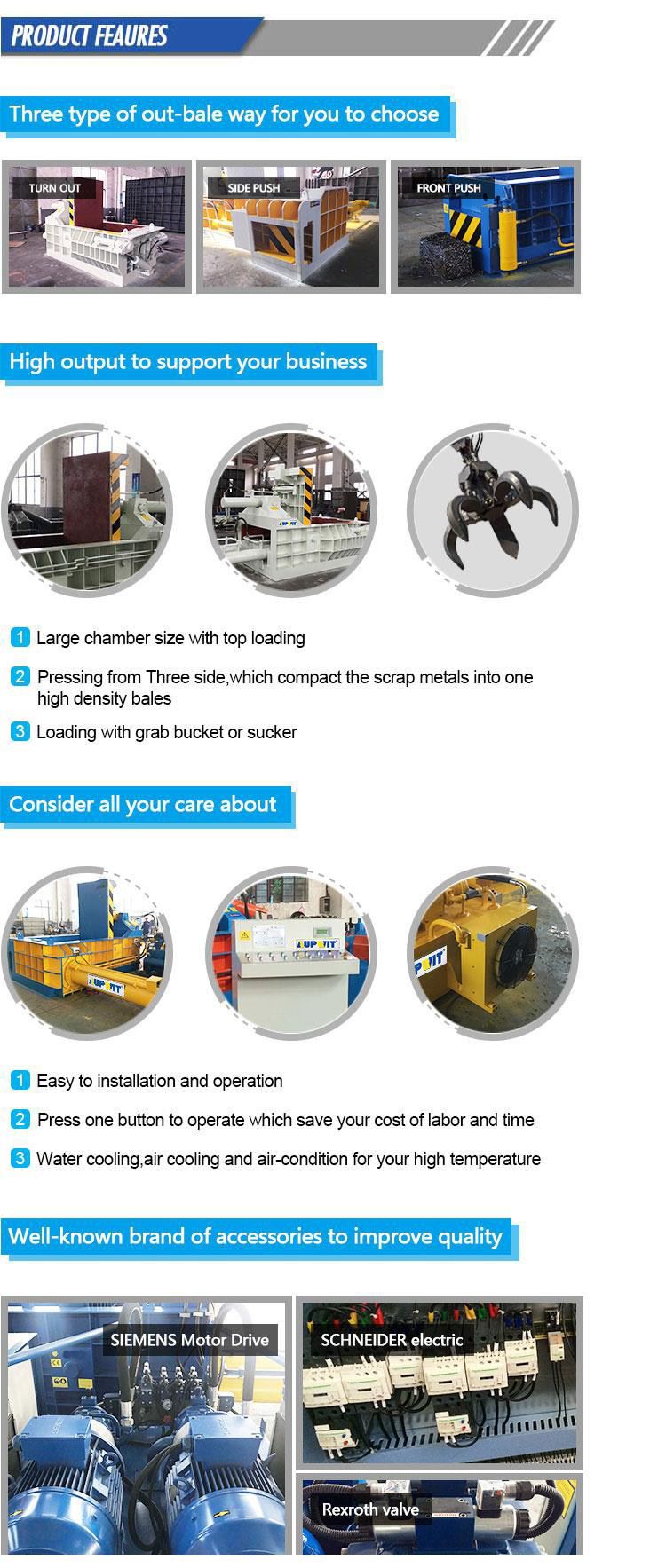
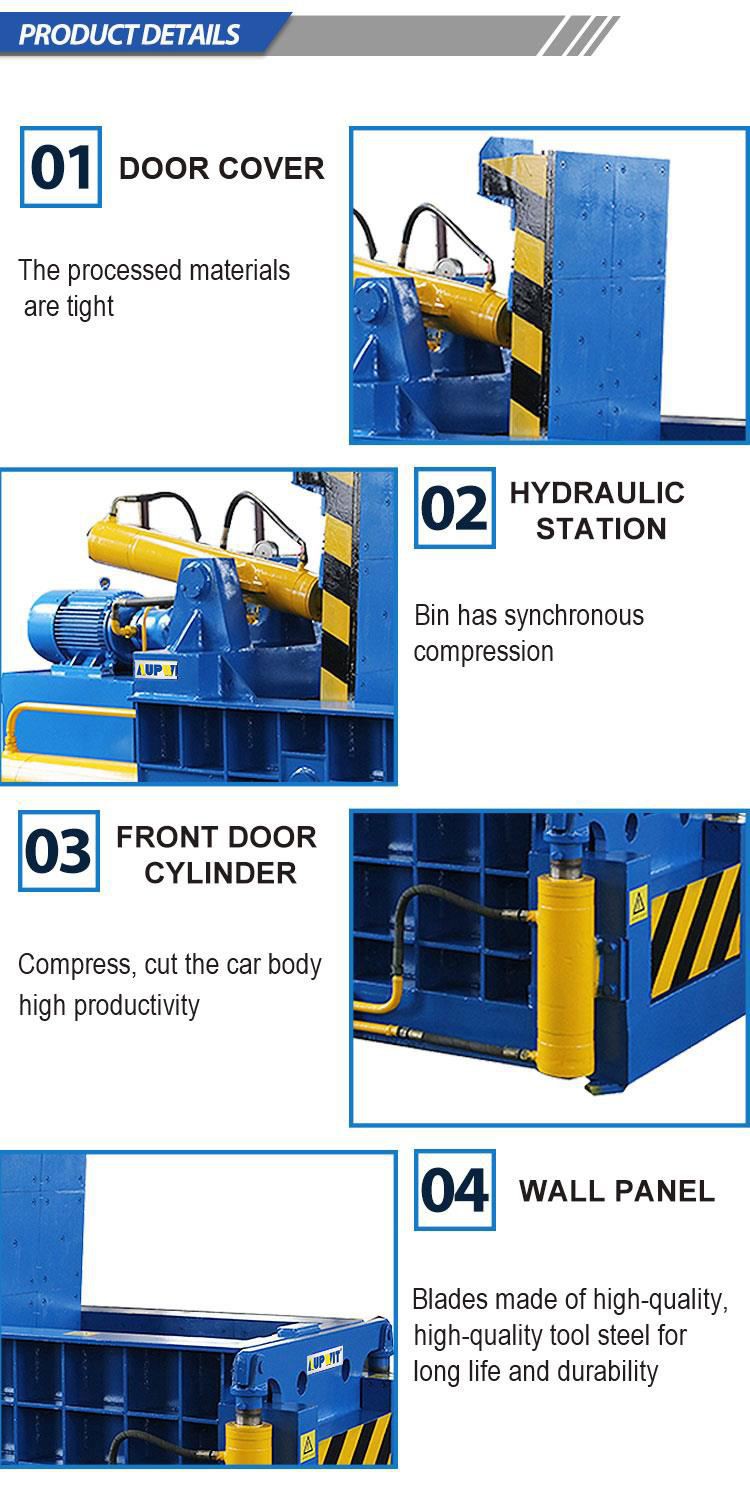
Powerful Hydraulic Compression System
The advanced hydraulic system provides strong and stable pressure, ensuring high-density bales and improving transportation efficiency.
High Automation Level
Modern hydraulic baling presses can be equipped with automatic feeding, automatic tying, and intelligent control systems, reducing manual operation and improving productivity.
Durable Structure
Hydraulic Baling Press Machine Manufactured with high-strength steel and precision welding technology, hydraulic balers offer long service life and stable operation even under continuous heavy-duty working conditions.
Wide Material Compatibility
Hydraulic baling presses are suitable for handling various recyclable materials, making them ideal for recycling centers and industrial waste processing plants.
Space-Saving Design
By compressing loose waste into compact bales, businesses can significantly reduce storage space requirements and transportation frequency.